

Creating your kitchen
Designing a kitchen is such a fascinating blend of form and function. It starts with really thinking about how you actually use the space. Are you someone who hosts dinner parties regularly? Or maybe you’re an avid baker who needs plenty of counter space? Your lifestyle shapes everything.
I always think the layout is where the magic happens. That classic work triangle between your sink, stove, and refrigerator can make or break how enjoyable cooking feels. Too much distance and you’re running a marathon while making pasta! Too cramped and you’re bumping elbows with anyone who enters.
Storage is another huge consideration. I’ve found that people often underestimate how much they actually need. Think about those awkward items like stand mixers or food processors – they need homes too!
Lighting is something people sometimes overlook until it’s too late. Natural light is wonderful when you can get it, but thoughtful task lighting above work areas makes such a difference when you’re chopping vegetables or reading recipes.
Materials are where you can really express personality. Are you drawn to warm wood tones or sleek, modern surfaces? Countertops alone offer so many options – quartz, granite, marble, butcher block – each with different maintenance needs and aesthetics.
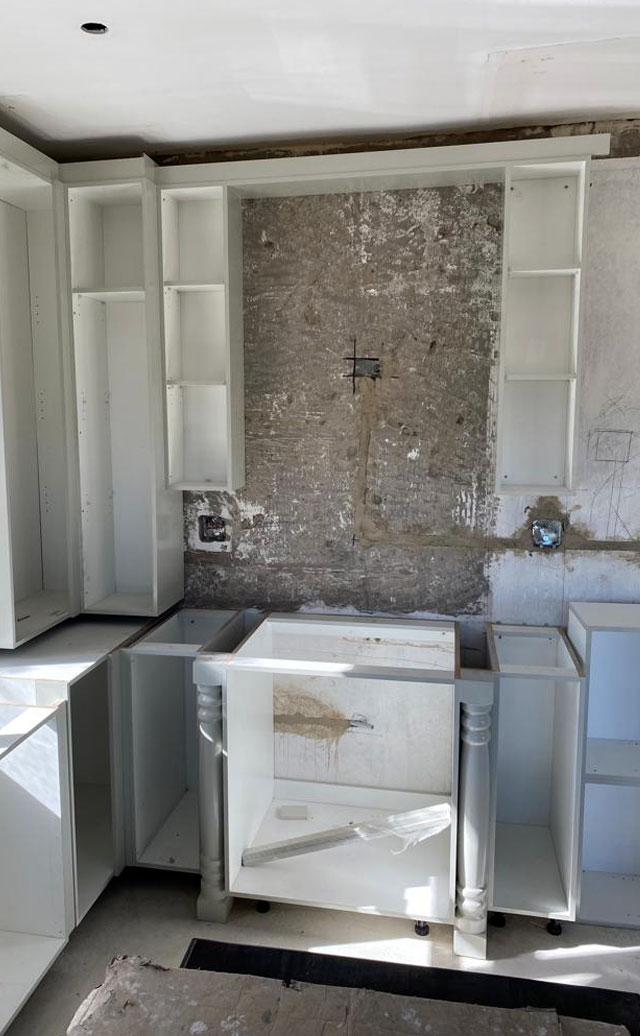
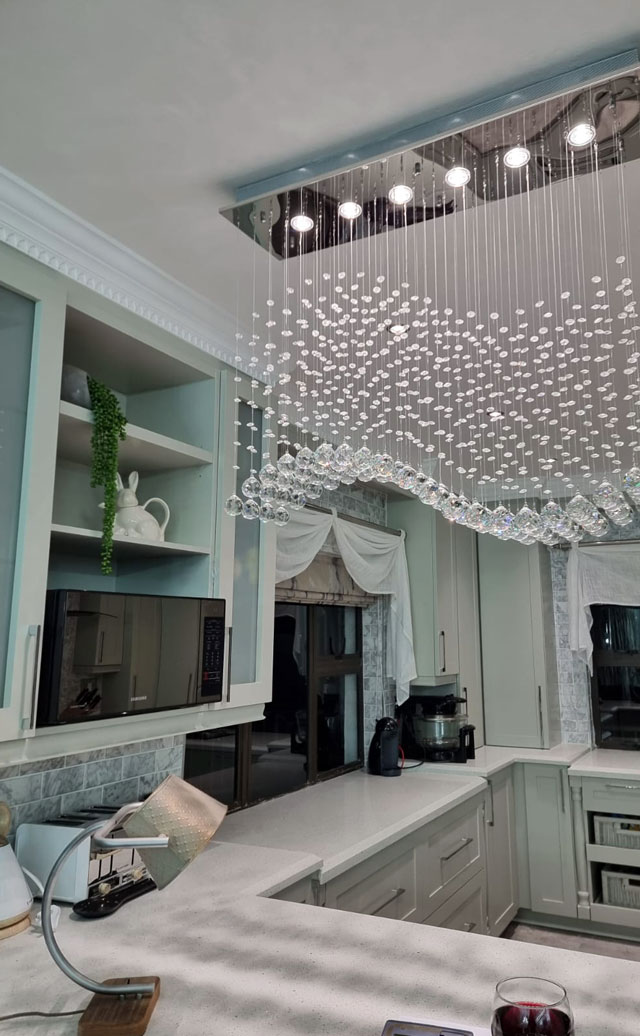
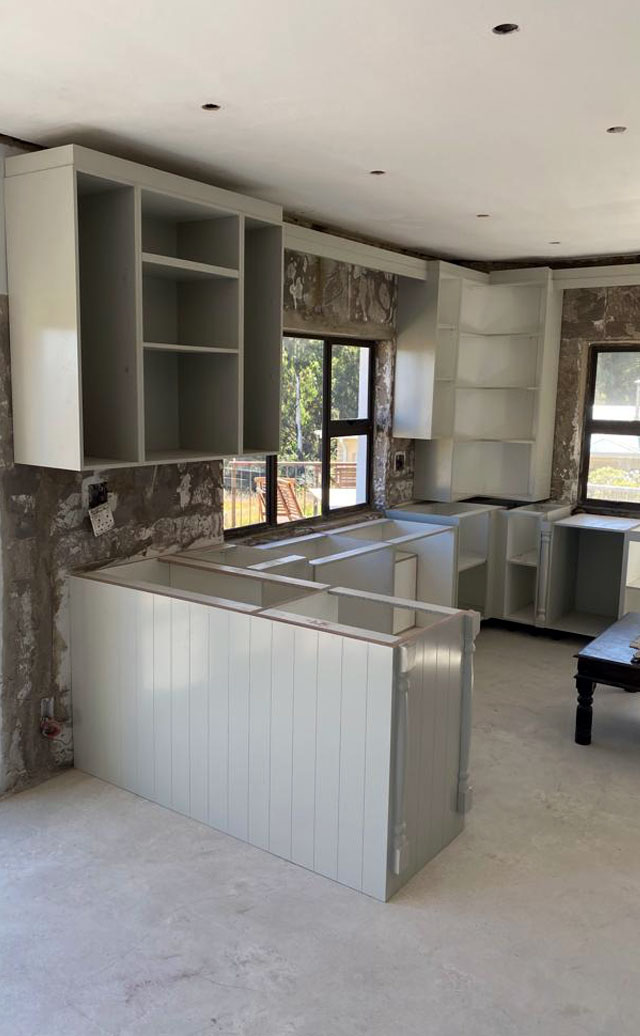
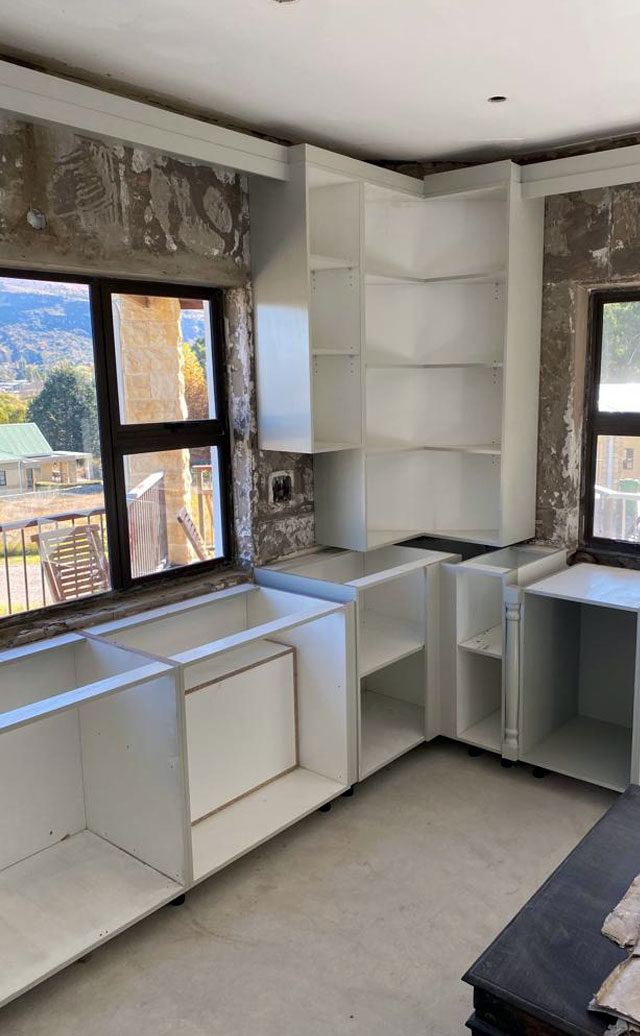
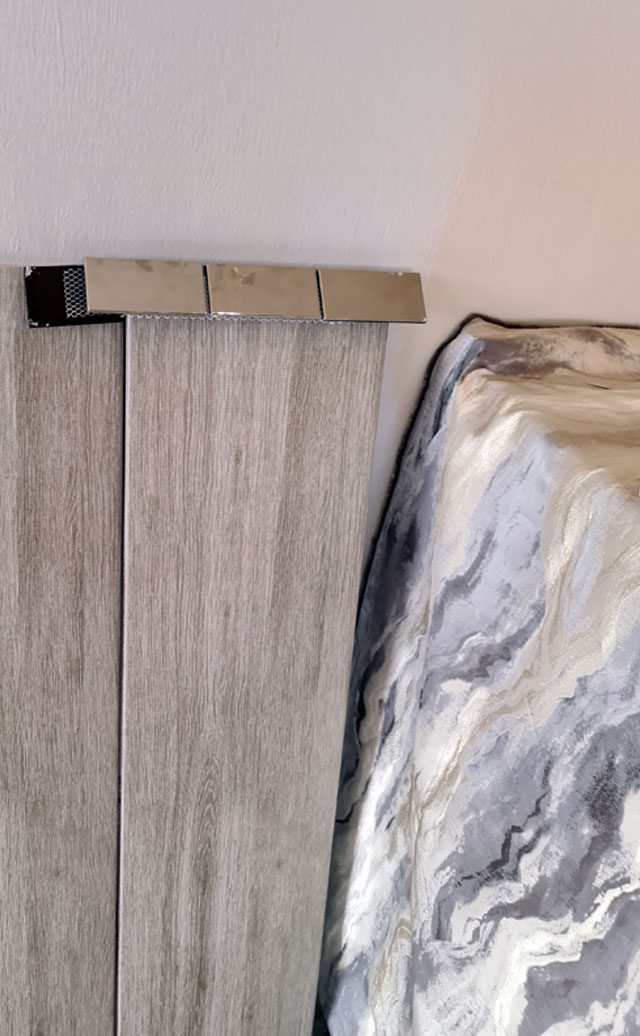
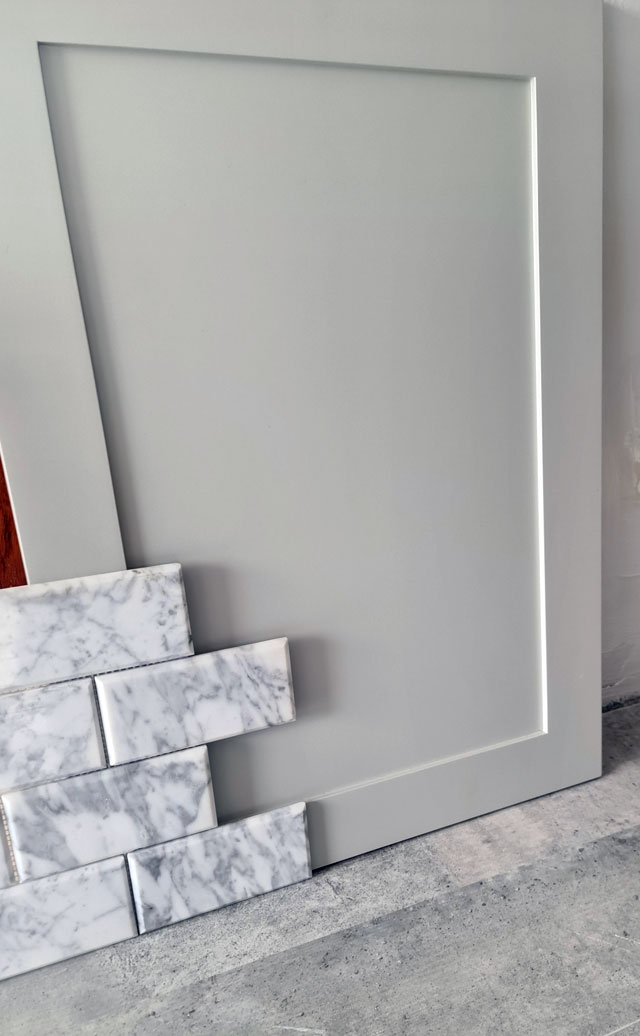
I find it helpful to include samples of materials too – not just pictures. A small piece of tile, cabinet finish samples, countertop materials, and fabric swatches let you see how textures and finishes interact in real lighting conditions.
Creating a mood board is such a fun part of the kitchen design process! It’s where you really start to see your vision come together visually before committing to anything.
I like to think of a mood board as your kitchen’s personality preview. Start by collecting images that speak to you – magazine clippings, Pinterest pins, Instagram saves, or even photos of friends’ kitchens you admire. Don’t overthink it at first – just gather what catches your eye.
As your collection grows, you’ll likely notice patterns emerging. Maybe you’re drawn to warm wood tones paired with crisp white cabinetry, or perhaps industrial elements keep appearing in your favorites. These patterns help reveal your authentic style preferences.
Colour is incredibly important to consider. Are you leaning toward a specific palette? Soft neutrals? Bold accent colors? The mood board helps you see if those hues actually work together in practice.
Don’t forget about the feeling you want to create. Some people add words to their mood boards – “warm,” “inviting,” “minimalist,” “rustic” – to keep the emotional aspect of the space front and center.
What’s nice about a mood board is that it’s so low-commitment. You can play around with different combinations, remove elements that don’t quite fit, and refine until it feels right. It becomes an incredibly useful reference point when you’re making actual purchasing decisions later on.