Upholstery
Contact us for a free quote

Upholstery
What You Get
Key Considerations for the Restoration & Upholstery of Furniture
The process typically begins with assessment to determine the piece’s condition, value, and appropriate restoration methods.
Your Title Goes Here
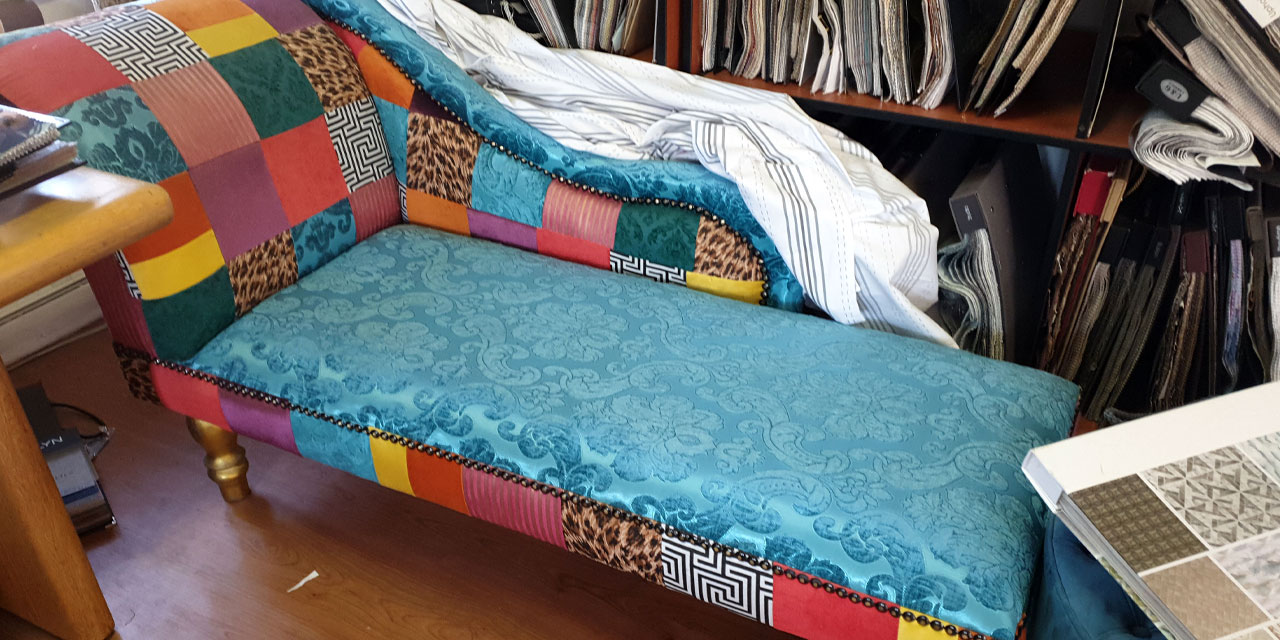
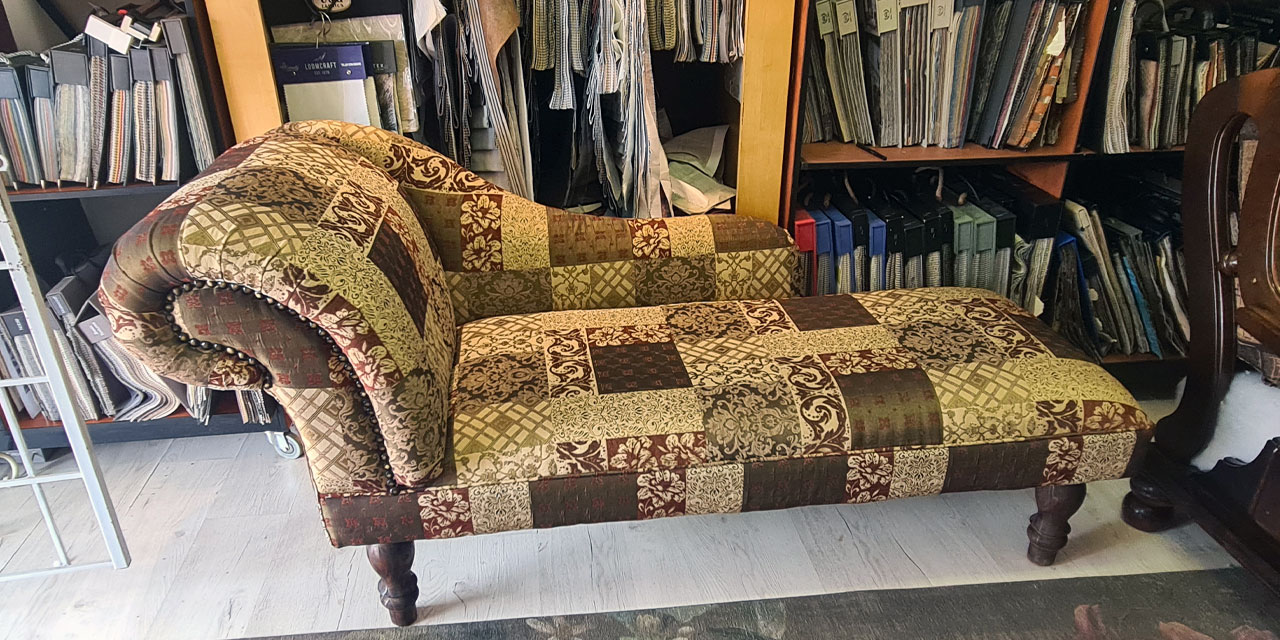
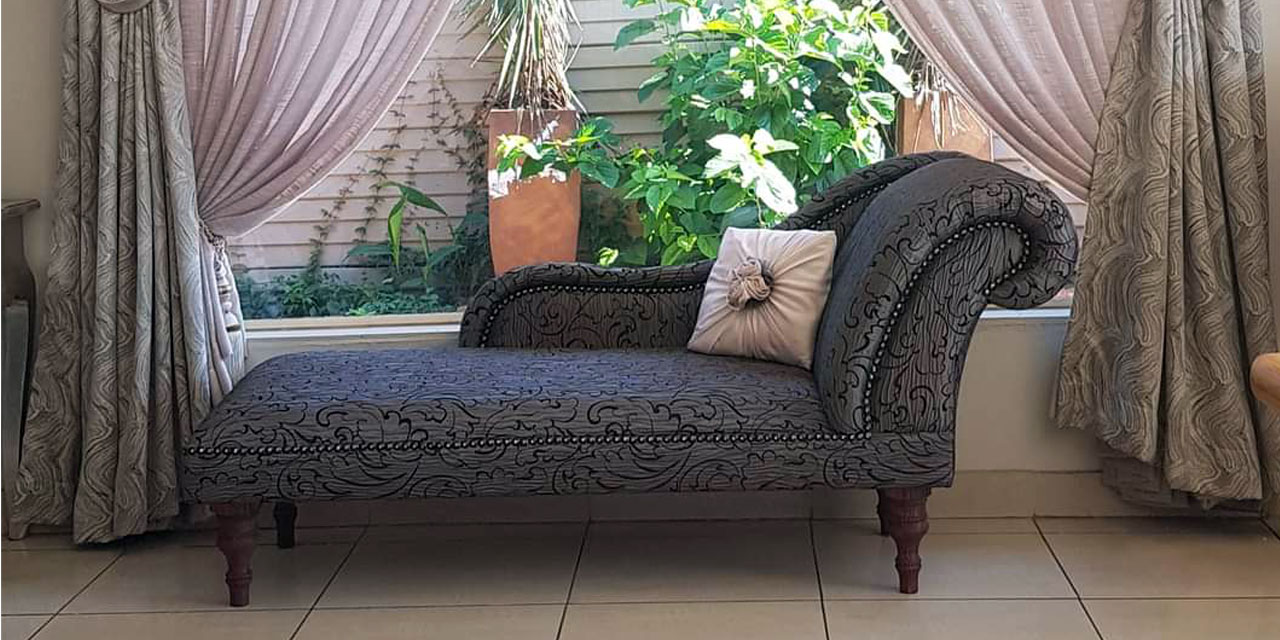
Sofa, Chair & Chaise Lounge
Sofa, chair and chaise lounge restoration and upholstery involves some specific considerations:
For restoration:
- Sofas often have more complex frames than chairs, with multiple connection points that need attention
- They typically have a hardwood frame (like oak, maple, or birch) that provides structural integrity
- Frame repair might involve reinforcing or replacing damaged rails, legs, or arm supports
- Older sofas may have traditional joinery methods like mortise and tenon or dowel joints that require specialized repair techniques
- Springs systems (coil, sinuous/zigzag, or webbing) often need repair or replacement
For upholstery:
- Sofas have larger upholstered surfaces, requiring more materials and careful pattern matching
- They often use multiple types of cushioning – firmer for structural areas and softer for seating surfaces
- The “drop-in” seat design is common, where spring units are built separately then installed in the frame
- Cushions might be filled with foam, down, feathers, polyester, or combinations thereof
- Modern sofas may use staples for fabric attachment, while traditional methods use tacks
The process typically follows these steps:
- Strip the sofa to its frame
- Repair or reinforce the wooden structure
- Rebuild the foundation (springs, webbing)
- Apply padding and cushioning materials
- Cover with fabric, paying attention to pattern alignment
- Finish with decorative elements like piping, buttons, or skirts
Is there a particular era or style of sofa you’re interested in restoring? Different periods have distinctive construction methods and materials.
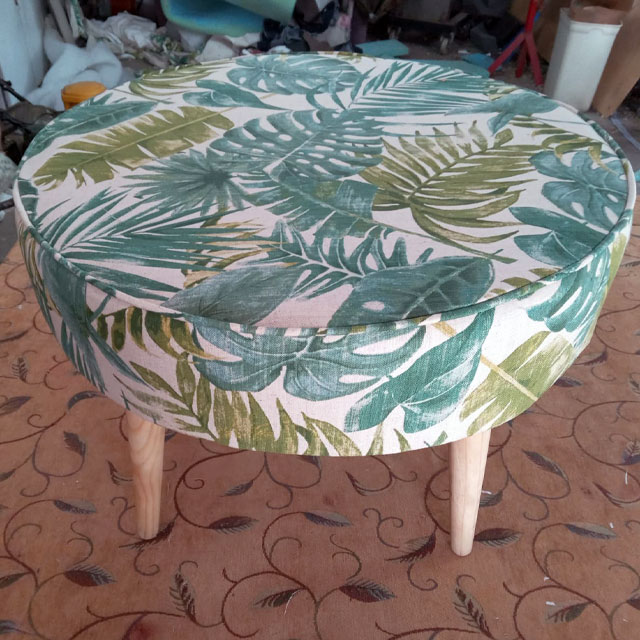
Ottoman
For ottoman restoration and upholstery:
Restoration aspects:
- Ottomans typically have simpler frames than sofas or chairs, often with a basic box-like structure
- Many have wooden legs that may need repair, refinishing, or replacement
- Some ottomans feature hidden storage compartments that require special attention to hinges and lids
- Frames are usually made of hardwood like pine, poplar, or birch, though quality varies widely
- Vintage ottomans might use traditional joinery that needs careful restoration
Upholstery considerations:
- Ottomans generally feature a flat, padded top surface as their primary upholstered element
- They may have fully upholstered sides or exposed wooden elements
- The top cushioning is typically firmer than seating surfaces since ottomans often serve as footrests
- Materials commonly include high-density foam for the top with lighter padding on sides
- Some ottomans have tufting (buttons or deep stitching creating a quilted appearance)
- Corner detailing is important, especially for square or rectangular ottomans
The restoration process usually involves:
- Removing old upholstery and padding
- Assessing and repairing the frame
- Adding new padding (typically foam for the top surface)
- Applying fabric, with special attention to corners and edges
- Adding any decorative elements like tufting, piping, or nailhead trim
- Refinishing or replacing legs if they’re exposed
Making and Upholstering Headboards
Basic Steps we take when you request an unique Upholstered Headboard
- Plan and Design: With you we decide on the shape, size, and style. Popular styles include rectangular, arched top, or wingback
- Cut the Base Board: We cut from plywood to our desired dimensions and shape
- Add Padding: We cut foam to the same shape as your board, glue it to the board and then we wrap the foam-covered board with batting
- Upholster: Now we fold the fabric neatly on to the board like wrapping a present
- Mount to Wall or Bed Frame: We finalise by mounting the headboard securely
Technique
Our Approach
The combination of restoration and upholstery requires understanding both wood/structural work and fabric/padding techniques.
01
Structural Damage
Cleaning, repairing structural damage, stripping old finishes, and refinishing with appropriate materials
02
Remove | Rebuild
Removing old upholstery, Rebuilding the foundation, Adding padding layers
03
Product Modifications
Applying the outer fabric covering. Finishing with details like piping, buttons, or decorative nails
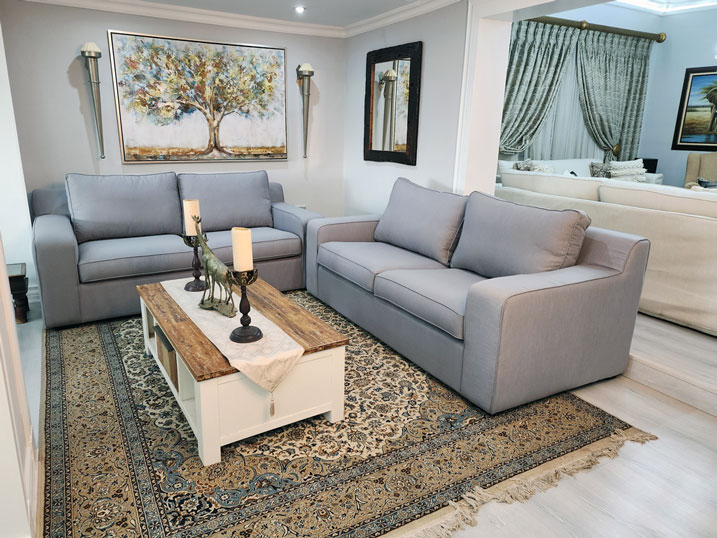
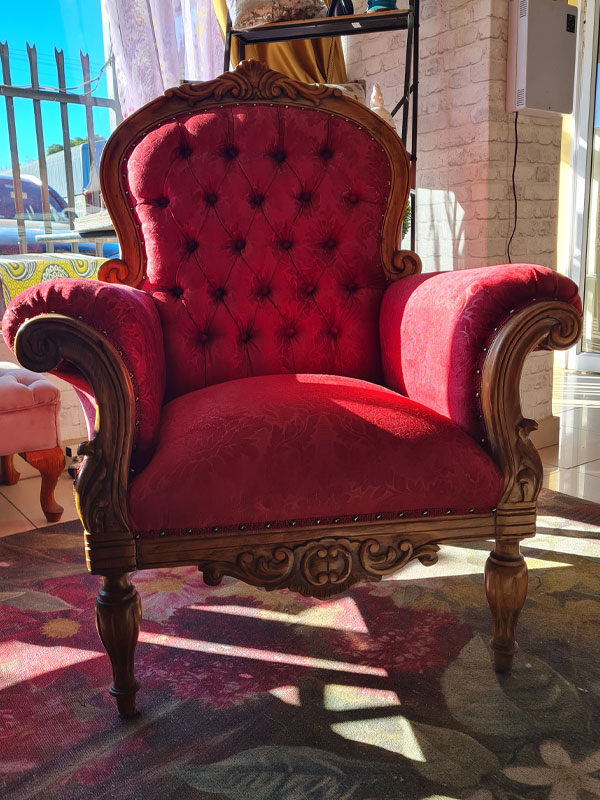
Upholstery we have done – Wingback chair and ottoman


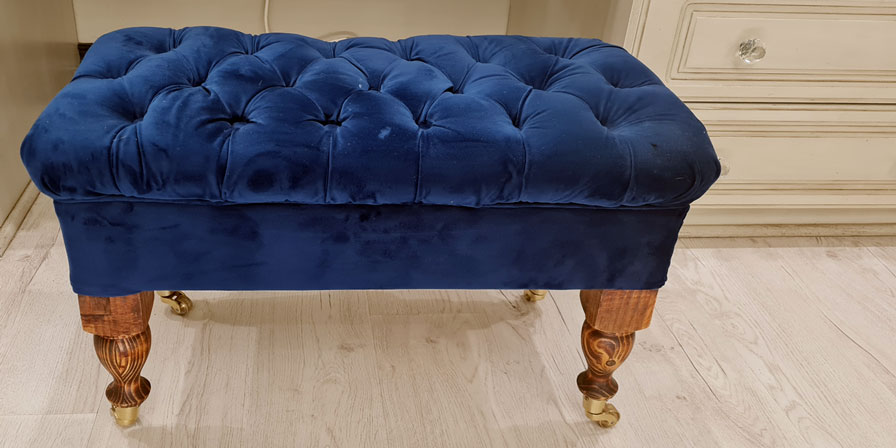
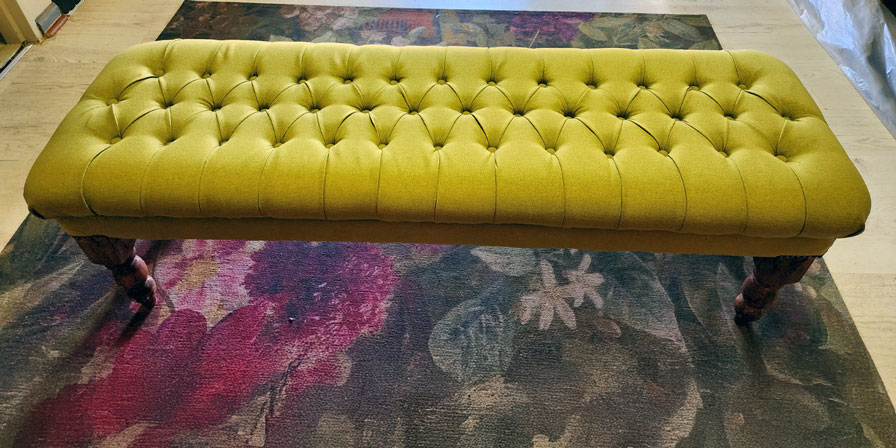
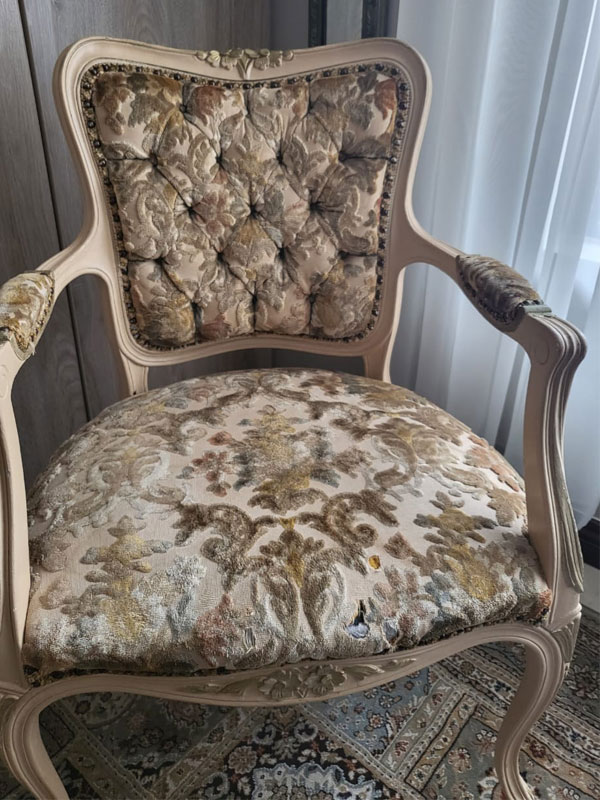
Upholstery we have done – Chaise lounge
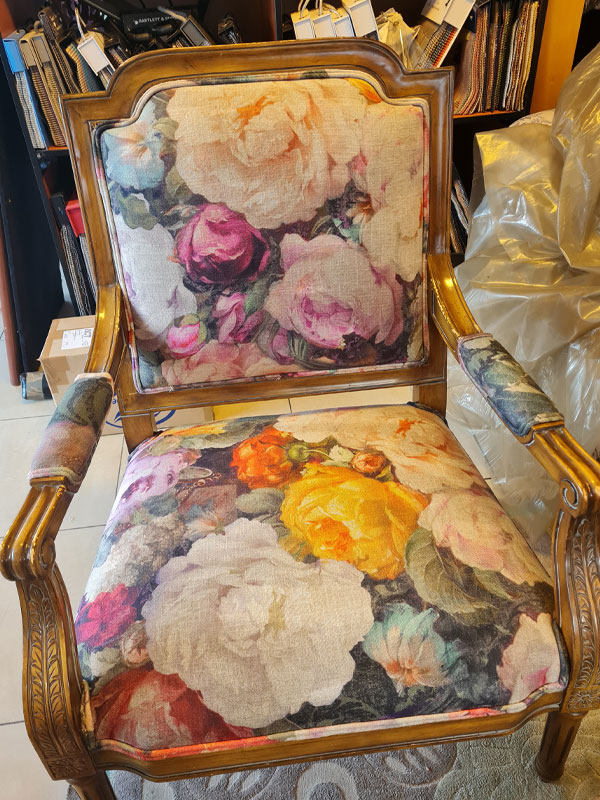
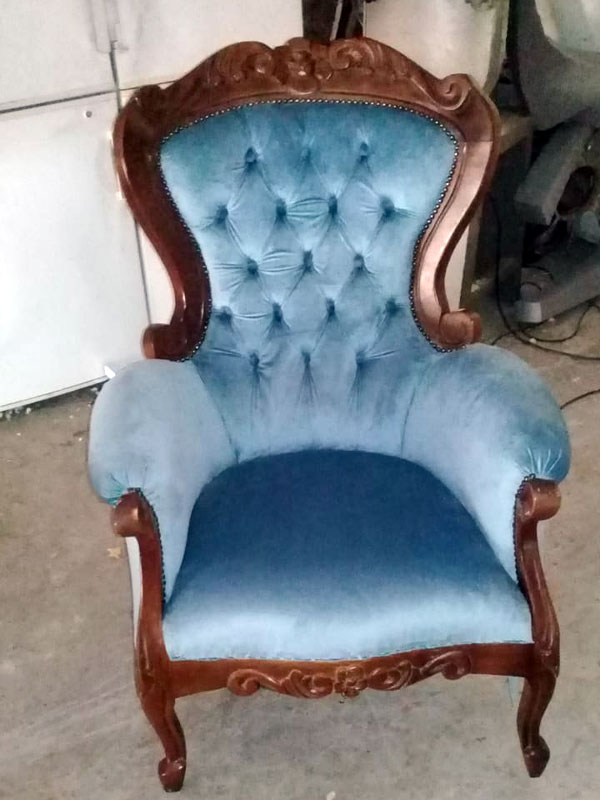
Upholstery we have done – Victorian Chair